Okay, so here’s a fun fact that will absolutely change your relationship with your own backyard… that thing you’ve been yanking out of your garden and cursing at for years? You could probably eat it. That’s basically the entire premise behind the Boreal Museum’s Foragers Walks, and once you know about them, you cannot unknow them.
The Boreal Museum, Thunder Bay’s small but mighty local science education spot, runs guided foraging walks in the summer and early fall, led by the museum’s Creative Director, Jason Feller. He’s a lifelong forager with a background in botany, and this is his fifth year taking groups out into the woods (well, sort of the woods, more on that in a second) to point at plants and go “yes, you can eat this” or “absolutely do not eat this.”
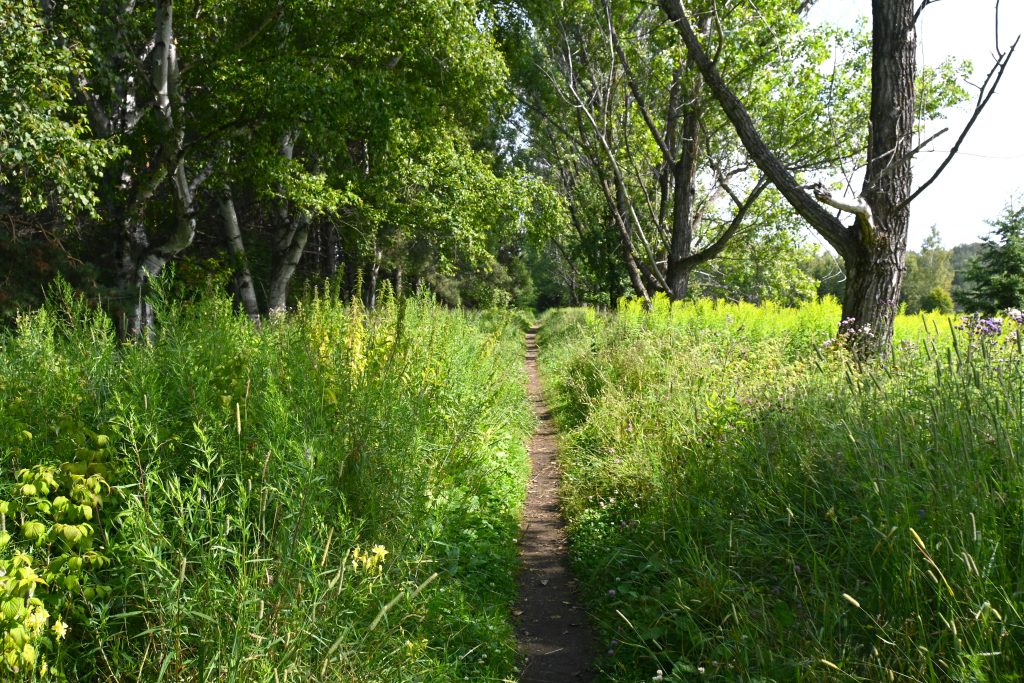
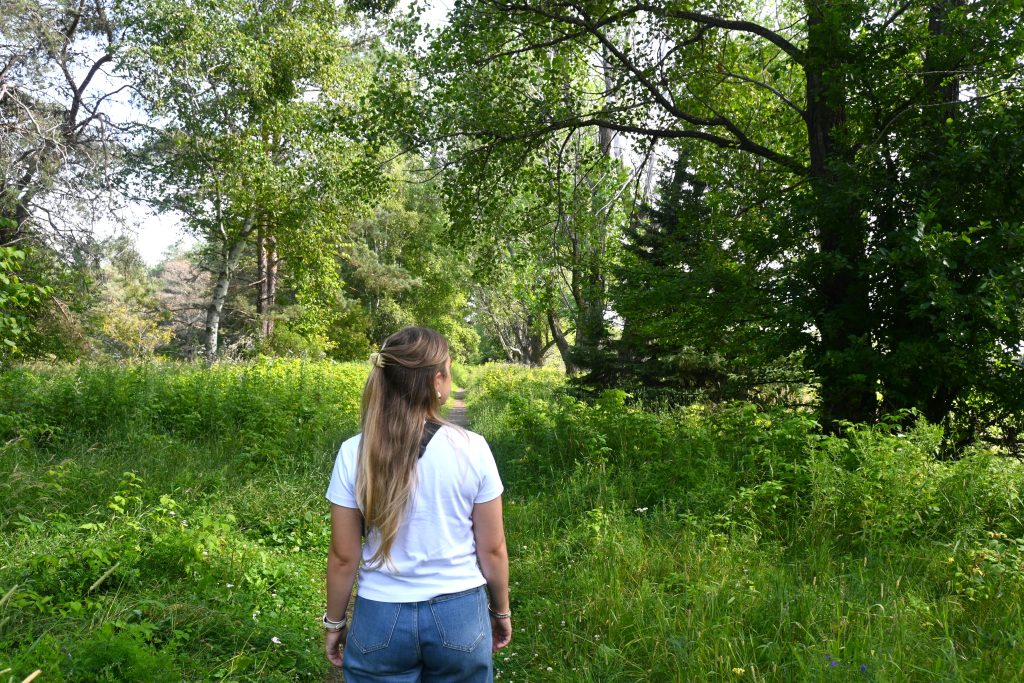
The walks run about an hour to an hour and a half, from late May through mid-September, and happen at two forested areas behind the old LPH on Algoma Street and the Tree Farm out on 25th Side Road. On a typical walk, you’ll get introduced to somewhere between 15 and 25 different wild foods. That’s not a light sprinkle of plant facts… it’s a full buffet of “how did I not know this.”
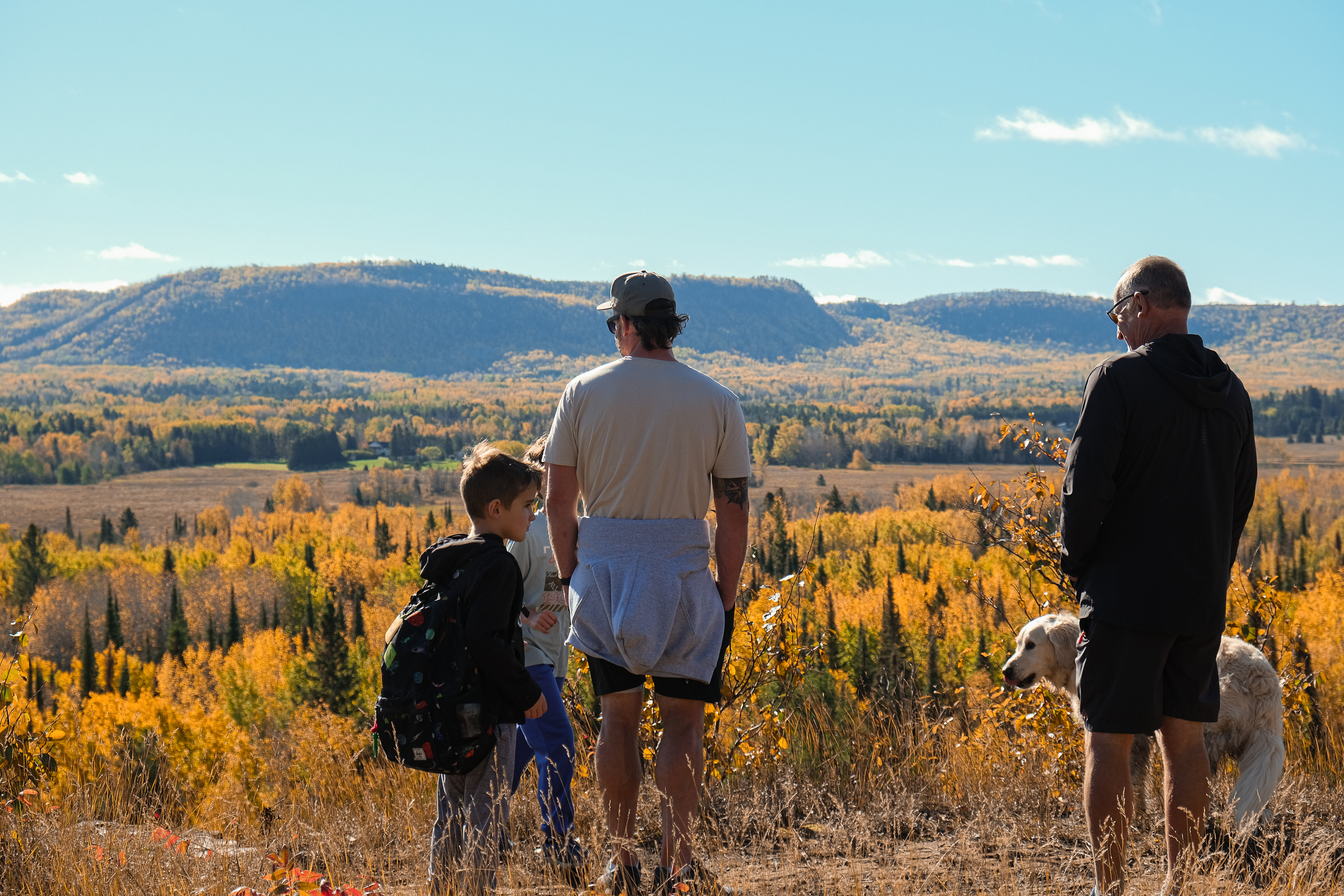
Here’s the part that really surprised us! You’d think foraging means hiking deep into some remote patch of boreal forest. Nope! The green space is basically out your front door, and Feller says that’s the whole point.
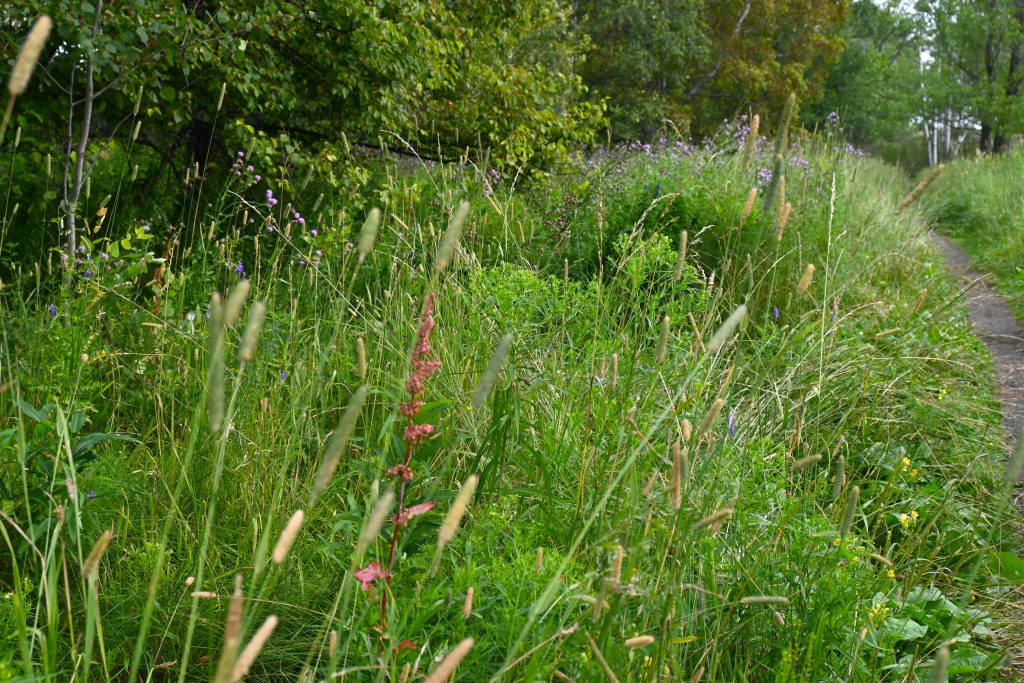
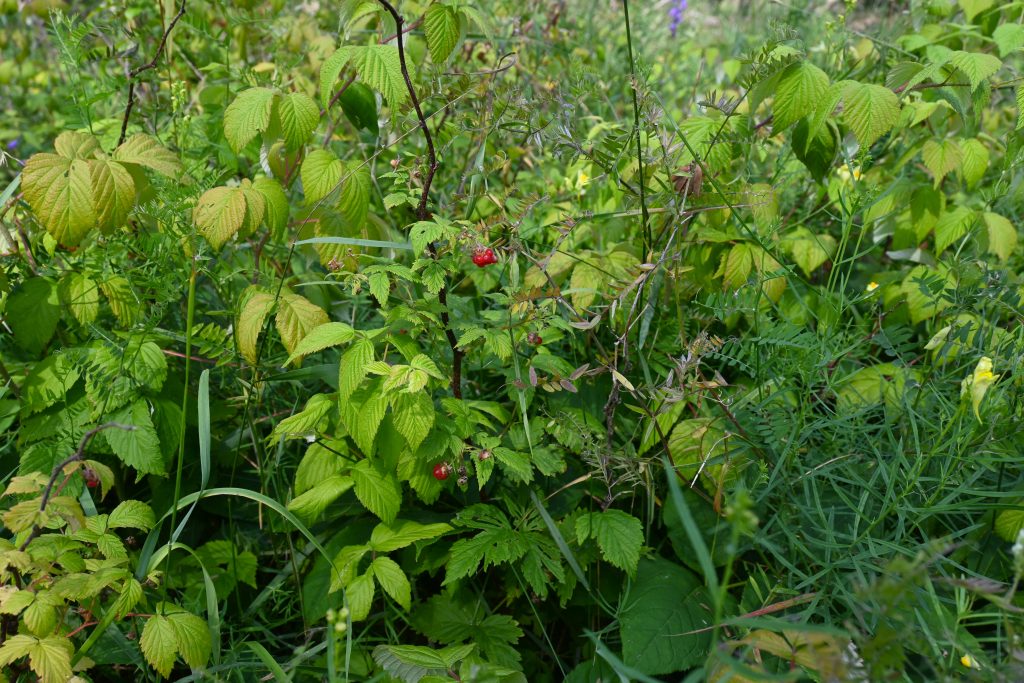
“A lot of the wild foods you’ll find growing in your yard,” he told us. “A lot of people just don’t identify them, or maybe they know the name but don’t know that they’re edible and have been used historically as a food.”
So how fun is it that Thunder Bay has been quietly hiding a grocery store in plain sight this entire time, and most of us have been mowing over it.
If plants weren’t enough of a hook, mushroom season is just getting started right now, and apparently interest in wild edible mushrooms has been climbing hard lately. So if you’ve ever side-eyed a mushroom on a hike and thought “I bet that’s either delicious or will end my life,” these walks are your chance to actually find out (from someone qualified).
Feller pointed out that something wild happening in the foraging world right now is that a growing number of foraging guidebooks being sold online are AI-generated, and some of them contain seriously incorrect information. When the topic is “what is and isn’t safe to put in your mouth,” that’s not a small problem.
“It’s important to be able to have a baseline, someone that you can reference with confidence that knows what they’re talking about.” (This is a category of internet content where you actually want a real, opinionated human who has personally had the nettle soup).
So what do you need to go on a walk? No need to overthink this one, but a few things do matter:
Sturdy, closed footwear (the trails have roots, rocks, and general uneven ground, so save the sandals for another day)
Sunscreen and bug spray
A phone or notebook for photos and notes, since Feller covers a lot of ground (literally and conversationally) and it’s genuinely useful to have something to look back on later
Underneath the fun factor, there’s something a little bigger going on here. Feller talks about foraging as a way of building an actual relationship with the nature around you, instead of just walking past it. Once you know a plant, notice it, understand what it’s telling you about the habitat you’re standing in, nature stops being background scenery and starts being something you’re in conversation with.
There’s also a food security angle that’s easy to miss at first. Knowing what’s growing around you, and that it’s genuinely abundant, is a nice little reminder that our food systems aren’t as untouchable as they seem. As Feller put it, worms can always show up in the lettuce, it’s not a bad thing to know your backup options.
Heads up, you won’t be picking or tasting anything on the walk itself. It’s a hands-on learning experience, not a snack break. So think of it less as a harvest and more as building your personal plant ID cheat sheet for later. Dates are posted on the Boreal Museum’s Eventbrite page, and updates also show up on their Instagram and Facebook. Get ready to never look at a dandelion the same way again!