
Thunder Bay is found at the very top of Lake Superior—that’s why we’re also called the Lakehead! Our location on the world’s biggest freshwater lake is something we just can’t stop, won’t stop, talking about, because living on the lake helps to shape our culture and identity, our economy, our recreation and even our weather. Here’s what you need to know about our big love for the big lake: past, present and future.

1. It’s an Essential Piece of Indigenous Culture
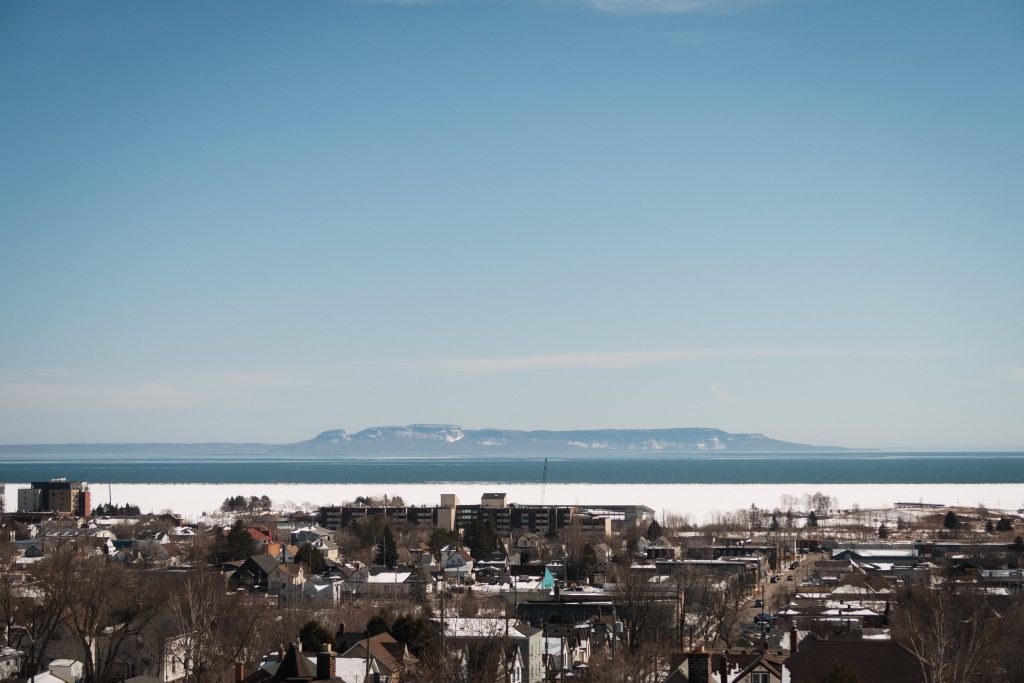
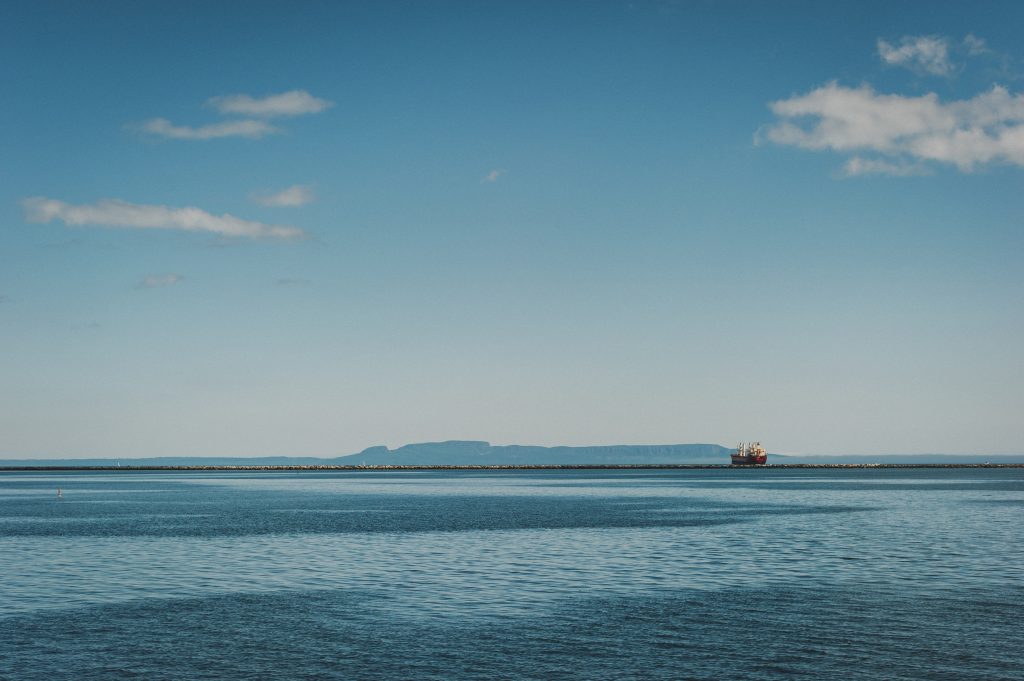
The Sleeping Giant—the huge, iconic rock formation that is endlessly fascinating to TBayers—has a very long history. In Anishinaabe oral tradition, the Giant is known as Nanabijou or Nanaboozho, named for a trickster or Manitou (spirit) who created a huge storm and laid down in the water (some say it was to protect the location of the silver at Silver Islet at the tip of the peninsula, once the richest silver mine in the world). Lake Superior itself is known as gitchgaaming or kitchi gami—meaning big lake or huge sea—in Anishinaabemowin (Ojibwe) and archeological evidence shows that Indigenous peoples have lived on its shores and its islands for 9,500 years. The lake was a source of fishing (the peoples of what is now Fort William First Nation referred to the waters stretching from Pie Island to Sturgeon Bay as “the Grand Fishery”), mining for copper used both in tools and an extensive trade network over the continent, and later a transportation and trade route via canoe. After European contact in the 17th century, voyageurs (Indigenous, Métis and European) transported furs and goods on the lake via canoe as part of the fur trade routes that extended far east and west. Then, as today, Lake Superior was viewed as a sacred and vitally important part of the Anishinaabe relationship with the land and water.
2. It’s Part of Our Everyday Identity
Wrapping your head around the sheer size of Lake Superior takes a minute. With a surface area of 81,000 square kilometres, it’s the size of South Carolina or Austria. As the world’s largest freshwater lake, it truly is an inland sea: vast, cold and deep. If all the water in Superior was drained, it would cover all of North and South America in 30 centimetres of water. Its average depth is close to 150 metres, and it holds 10% of the world’s fresh water. That is what is spread out before Thunder Bay, a small city surrounded by ancient rocks and endless trees. Even if you never dip a toe in Superior, its presence is undeniable when you live in the city. You sense it in that heart-lifting view of the lake and the harbour when you drive down Red River Road, hear it the many iterations of Superior, Lakehead or Sleeping Giant found in our businesses and organizations, and feel it in our sense of independence as a remote northwestern Ontario community.
3. It’s Central to Thunder Bay’s Vibrant History
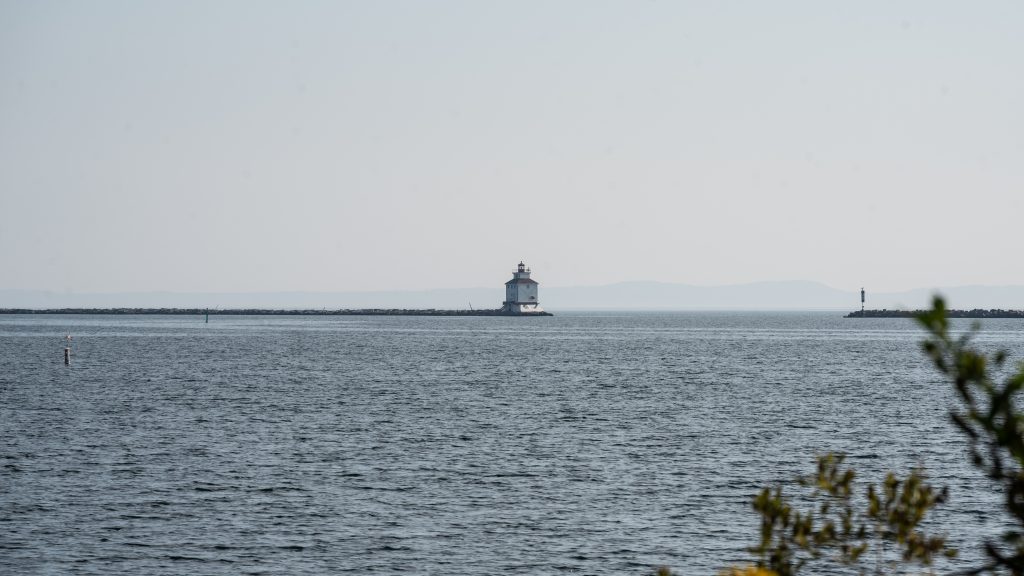
In prehistory, vast glaciers scoured the land and wore down softer rock like sandstone, leaving the harder igneous rocks behind to form the edge of a huge basin. About 11,000 years ago, meltwater from the last glacier, the Wisconsin, filled the depression, eventually forming present-day Superior. Superior got its name from 17th-century French explorers who called it le lac supérieur (the upper lake) due to its location above Lake Huron, and when Britain took control of the region in the 1760s after the Seven Years War, the name was anglicized to Superior, who said the name fit “on account of its being superior in magnitude to any of the lakes on that vast continent.” The fur trade, mining, forestry, shipping, railroads, exploration and settlement brought waves of European settlers to the area, forming two cities, Port Arthur and Fort William, that combined to form present-day Thunder Bay in 1970. Fort William Historical Park, a cool recreation of a 19th-century fur trading post and Anishinaabe encampment and one of North America’s largest living history sites, is on the Kaministiquia River that flows into Lake Superior, a short distance from the site of the original fort where the Kam meets the lake. And, along the way there were plenty of shipwrecks in Superior’s famous storms (this is where you start humming the lyrics to “The Wreck of the Edmund Fitzgerald”), and the area’s lighthouses are a tangible reminder of a time when water travel was nearly the only way to reach our remote city.
4. It’s Where We Play
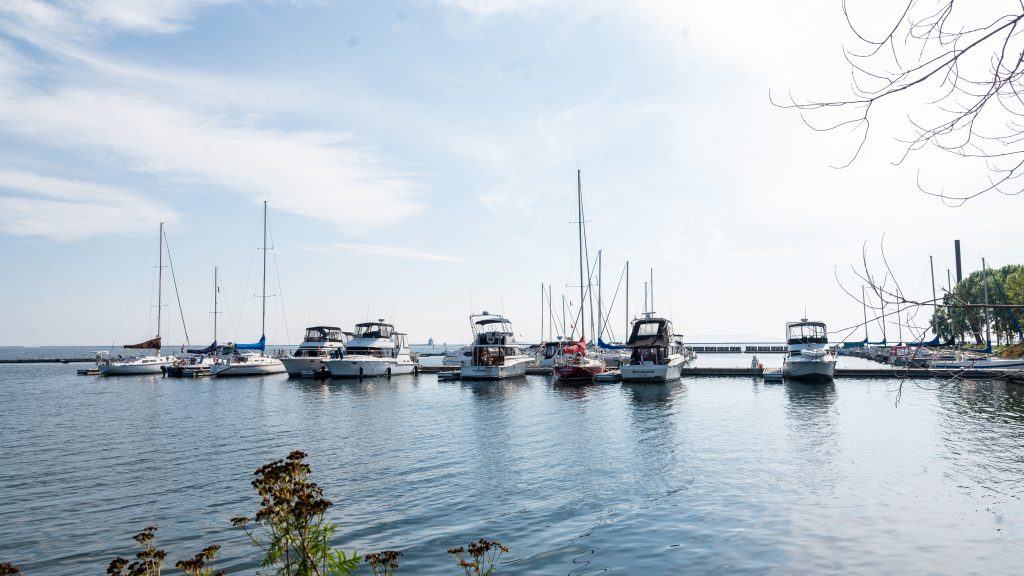
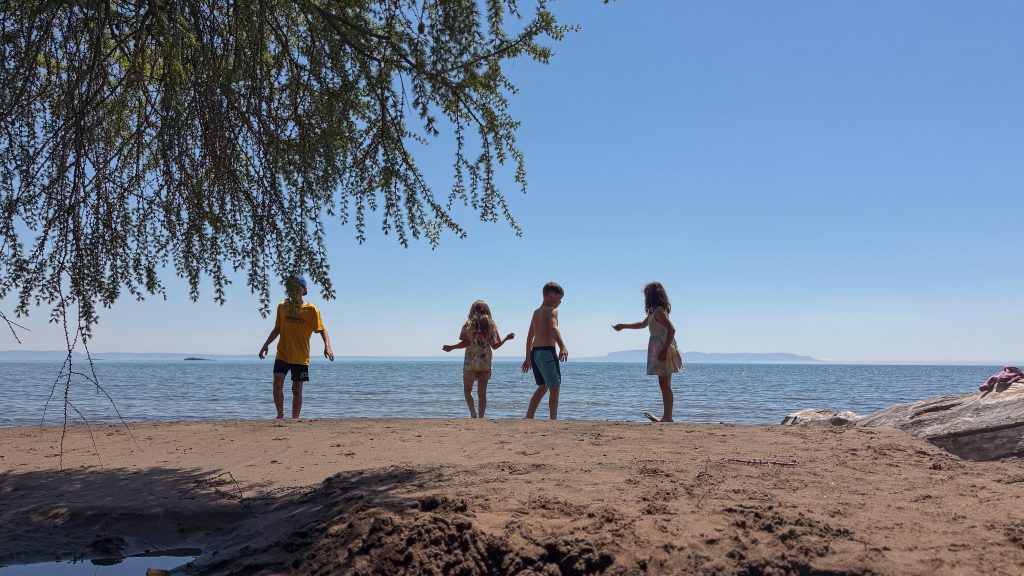
Thunder Bay and the surrounding area is a great big outdoor playground, and Lake Superior is definitely part of the fun. A number of residents have a camp (TBay-speak for “cottage”) on the big lake, so they can enjoy fishing, paddleboarding, boating, skating and more whenever they want. For the rest, there are lots of options. Superior is famously cold for swimming, but there are some great spots with public beaches that warm up enough to make it doable: Sandy Beach, Chippewa and Wild Goose. Five of our conservation areas are right on the lake, providing an easy jumping off point for lakeside hikes (and views!), fishing, boating, birdwatching, photography, kayaking and even scuba diving: think Silver Harbour, MacKenzie Point, Hurkett Cove, Little Trout Bay and Mission Island Marsh. The Prince Arthur’s Landing waterfront is an excellent hangout spot too, where you can watch the ships in the harbour, the sailboats skimming over the water. Sleeping Giant Provincial l Park is a home away from home for a lot of TBay residents and since it’s a huge peninsula, you’re never far from the lake when you hike, bike or camp there. Or, consider a float plane ride departing right from the harbour to get an incredible view of the lake.
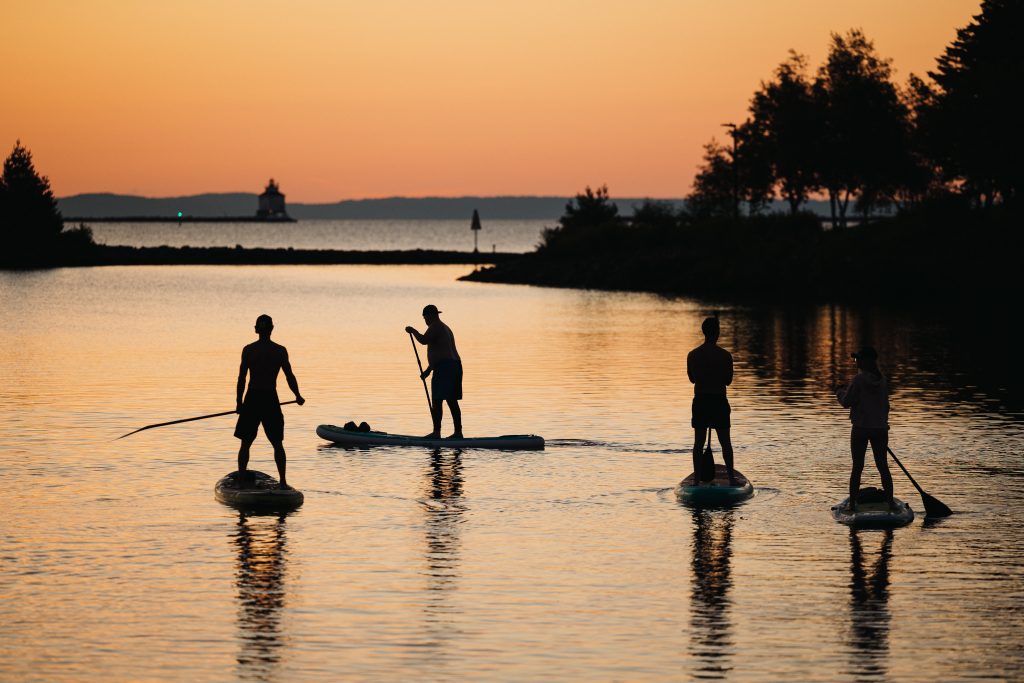
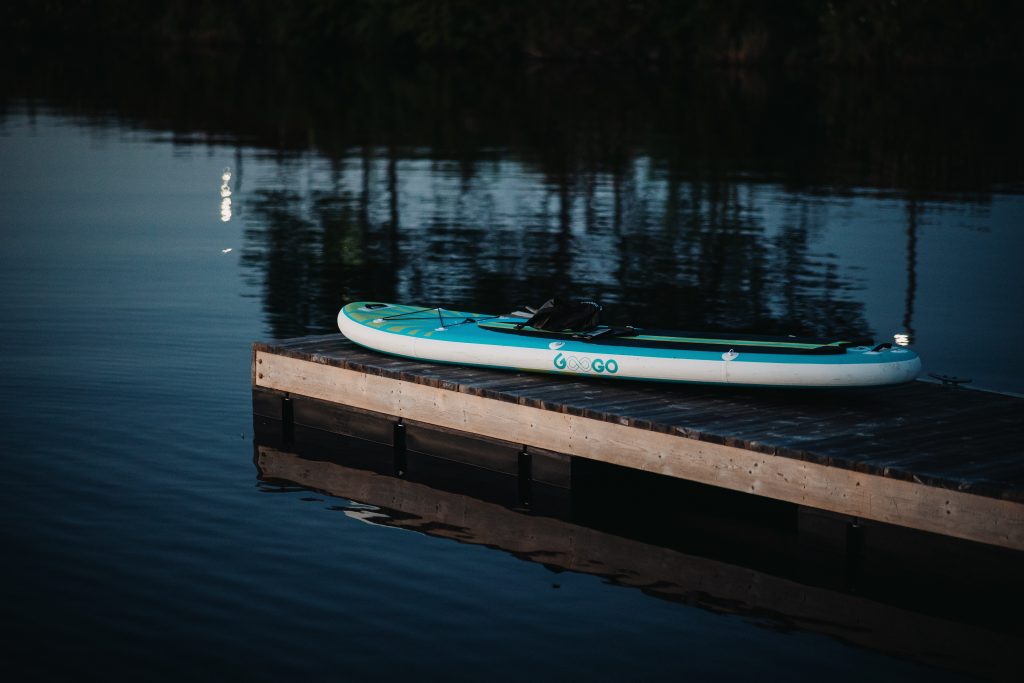
To get right out on the water, take your own boat from one of the public boat launches (remember to always respect the risks of Lake Superior!) or get to know the local sailing community for lessons, crewing opportunities and events. Or, book a epic ride with Sail Superior, Such a Nice Day Adventures, Natri Bros Surf & SUP, Metsa Health & Wellness, Thunder Country Diving, a Parks Canada canoe ride at Silver Islet or Archie’s Fishing Charters & Lighthouse Tours—you can choose from fishing for salmon, scuba diving and sailing to lighthouse tours, kayaking trips, paddleboarding, SUP yoga and canoeing. Superior Kiteboarding is the local go-to for thrillseekers who want to go kiteboarding over the water or the ice. And about that ice…for a significant part of the winter you can go ice fishing on Superior to hook some whitefish, perch, walleye, ling or trout, either with your own gear or via an outfitter like Bear Trak. You can even cheer on fast cars who zoom around on an ice track right on the lake. If conditions are right (cold temps and not much snow yet) Superior bays freeze over smoothly so you can go for a truly unforgettable skate (gorgeously captured by local author Jean Pendziwol’s award-winning book Skating Wild on an Inland Sea).
5. It Affects Our Weather
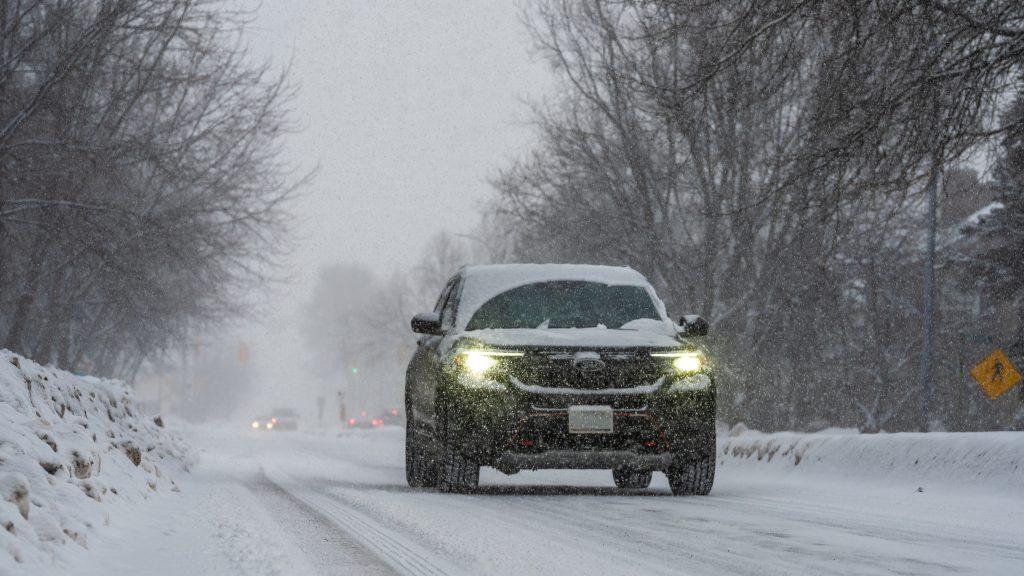
The presence of the great big lake, combined with wind patterns and the height of the surrounding terrain, all work together to shape the weather we get here in TBay. Warmer air over cooler water creates “sea smoke” (those dreamily aesthetic swoops of mist over the lake) as well as some decent fog that drifts inland in the spring and fall. “Cooler by the lake” is definitely true in the summer—it’s often easily a full 7°C near the lake on a sultry summer day, plus nights are cooler and days less humid compared to other parts of the province. While we do get epic thunder and lightning storms (we are called Thunder Bay after all!) particularly in the summer, the cooling effect of the lake actually means that storms are more intense further inland. Gardeners know that we are firmly in Zone 3a and 3b when it comes to plant hardiness zones, reflecting a relatively short frost-free block of time (but lots of long days of sunlight) to get growing in the spring and summer. “Warmer by the lake” applies in the winter, because while TBay gets downright bone-chilling temps in the winter, it’s not as cold and snowy as it is at other northwestern Ontario communities that are farther away from Superior.
6. It Fuels Our Economy
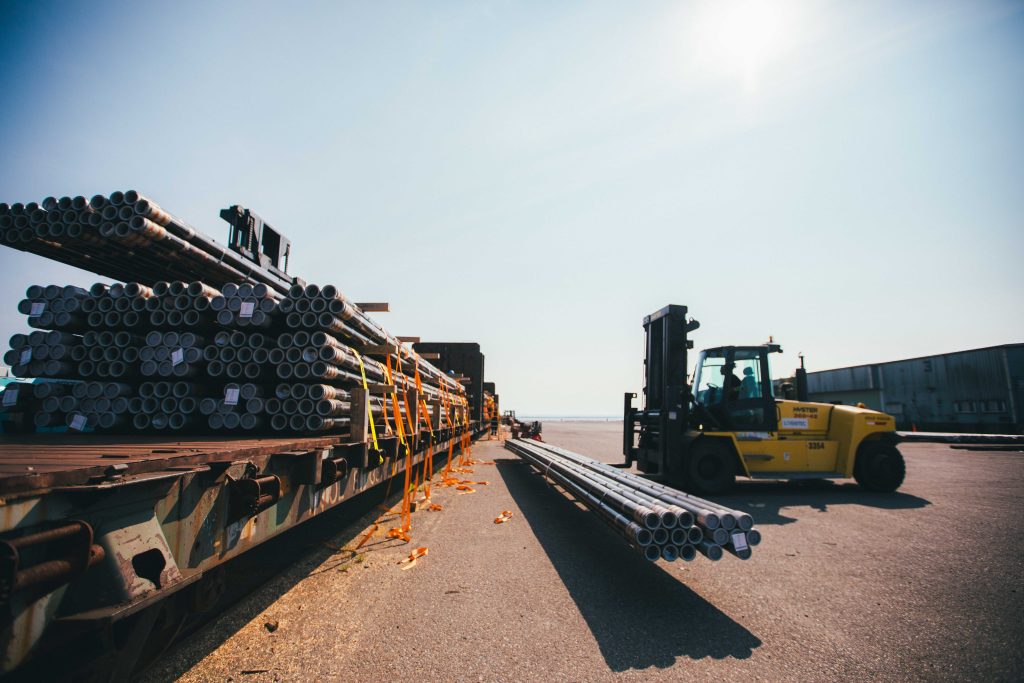
In addition to being a historic trade route for Indigenous and Métis peoples and voyageurs for generations, Thunder Bay has long been a port city, welcoming ships from all over the world to transport millions of tonnes of goods like grain, potash and iron ore every year. (Want to know where that ginormous ship in the harbour is from? Just click on the port’s harbour map to get a real-time update.) The towering lakeside grain elevators that connect ships on the lake with railroads that criss-cross the continent are part of the city’s story too, and you can take a free self-guided walking tour to learn more. Scientific research, lake-related academic studies and a small commercial fishery also play a role in the local economy. And of course, introducing the lake to visitors is a significant part of TBay’s tourism: cruise ships alone added to the local economy to the tune of $3.2 million in 2025. What can we say? We love to share our love of the lake!
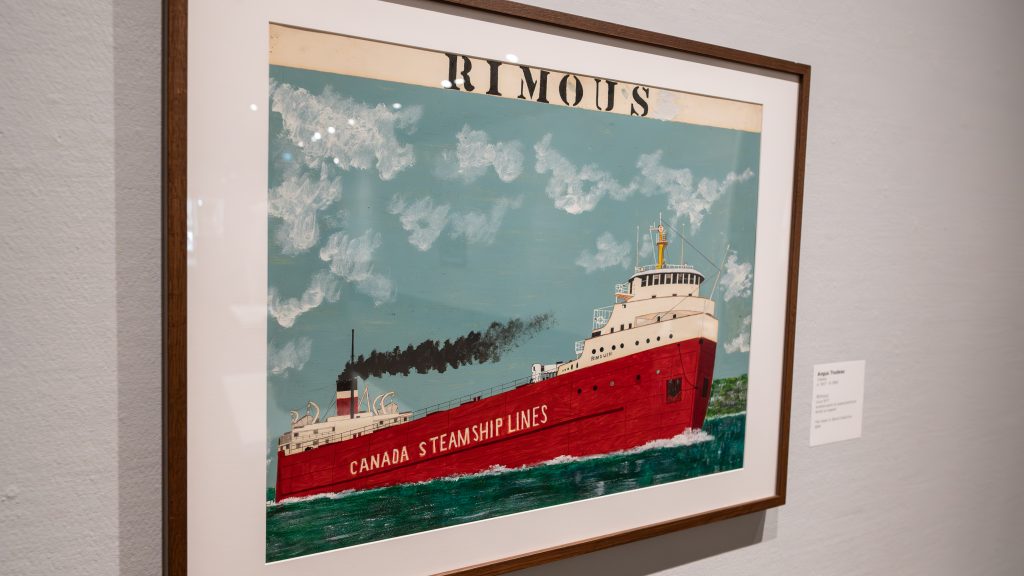
From our arts, culture and identity (incredible photography, jewelry, tattoos, paintings, pottery, books, songs and even cookies come to mind) to the way we work and play, Lake Superior is a huge part of life in Thunder Bay. Get to know the lake and you get a better understanding of the city too!