From the vast waters of Lake Superior to the seemingly endless boreal forest and the smaller lakes and waterways that lace the land, the area now known as Thunder Bay has been a place for a variety of Indigenous peoples to live and visit for thousands of years. Long called Anemki Wequedong in the Anishnaabemowin (Ojibwe) language, Thunder Bay is found on the traditional lands of the Ojibwe People of Fort William First Nation and historic Métis settlements, in the territory of the Robinson-Superior Treaty of 1850. (In Anishnaabe tradition, the anemki is a thunder bird, a huge, powerful and sacred manitou or spirit.) Today, you can continue to experience the rich culture of Indigenous peoples by getting to know significant landscapes, taking part in a range of events and experiences, visiting meaningful cultural spaces, and supporting Indigenous-owned business. Aambe! (Let’s go!)

1. Explore the Landscapes: The Giant, the Mountain, the Lake and More
It’s not hard to spot culturally significant—and gorgeous—landscapes around the city. Thunder Bay’s most famous landmark is the Sleeping Giant, a striking rock formation that’s part of the Sibley Peninsula. Easily visible from many locations in and around the city (popular spots are Hillcrest Park, Marina Park, Chippewa Park and the Terry Fox Monument), the Giant resembles a man lying on his back in Lake Superior, and is also known as Nanaboozhoo, an important figure in Annishnaabe oral tradition. You can discover the Giant for yourself at Sleeping Giant Provincial Park, or get a whole new view of it from the water with Sail Superior, a local company that leads incredible boat tours.
Superior, the world’s largest freshwater lake, is also called Gitchi Gami, meaning great sea. See the lake’s many moods right on shore at public spots like Prince Arthur’s Landing, Sandy Beach, Wild Goose Beach, MacKenzie Point Conservation Area or Little Trout Bay Conservation Area, to name a few. Or, venture out on a tour—local company Such a Nice Day has large voyageur canoes available for groups to get a sense of how Indigenous and non-Indigenous paddlers called voyageurs navigated all the way to Montreal during the fur trade, while Parks Canada has a guided Silver & Stone canoe day trip out of Sleeping Giant Provincial Park during the summer months.
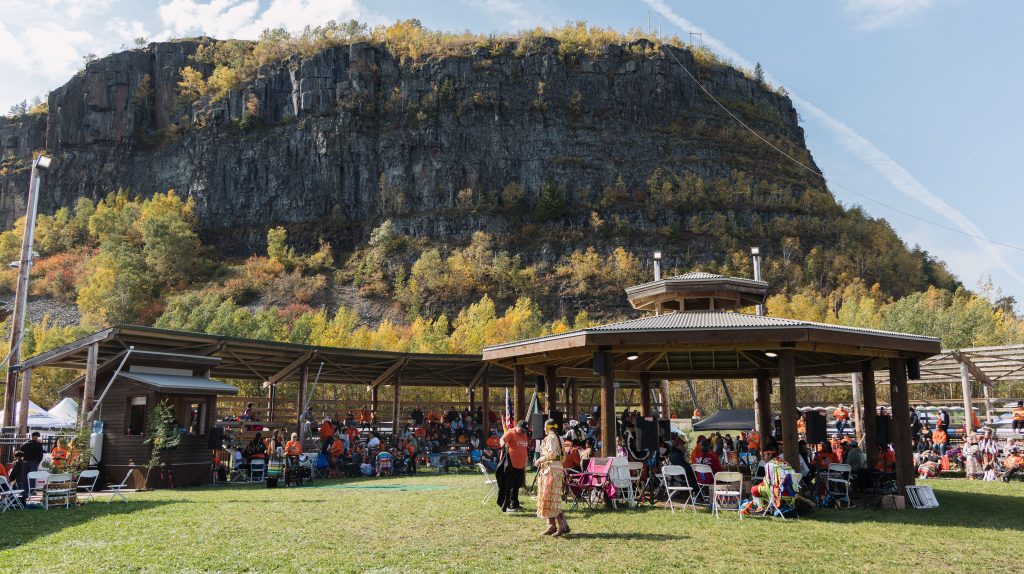
Just south of the city, head to Anemki Wajiw (Thunder or Thunder Bird Mountain, also known as Mount McKay) on Fort William First Nation. Soaring 1,000 feet high, this flat-topped mountain has long been a sacred site for Annishnaabe residents and is thought as a traditional home of thunder birds. At the 500-foot mark, there is a drive-to scenic lookout over the city, the First Nation lands and the lake, or take the rugged hiking trail up the mountain. The toll gate is operated by Fort William First Nation, so watch their Facebook page or visit fwfn.com for information on prices and opening and closing dates.
A 30-minute drive west of Thunder Bay takes you to Kakabeka Falls, the “Niagara of the North” and Ontario’s second-highest waterfall. Stunning and easily accessible year-round, it’s a historic fur trade portage and gets its name from the Anishnaabe word “gakaabikaa” referring to a waterfall over a cliff—and is also associated with a story of a Indigenous woman who saved her people by leading their enemies over the falls.
2. Plan to Attend These Events and Learn From the Experience
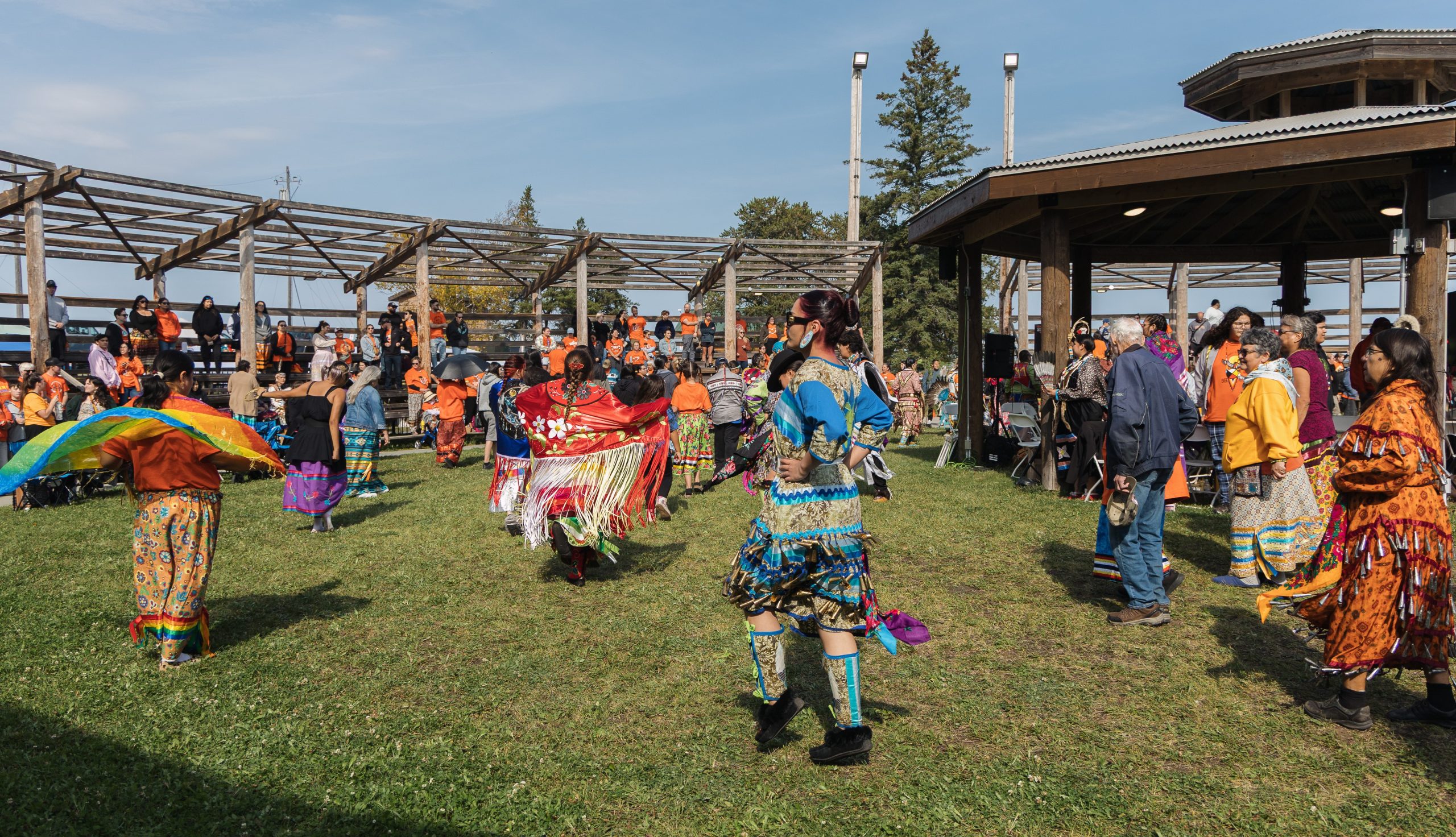
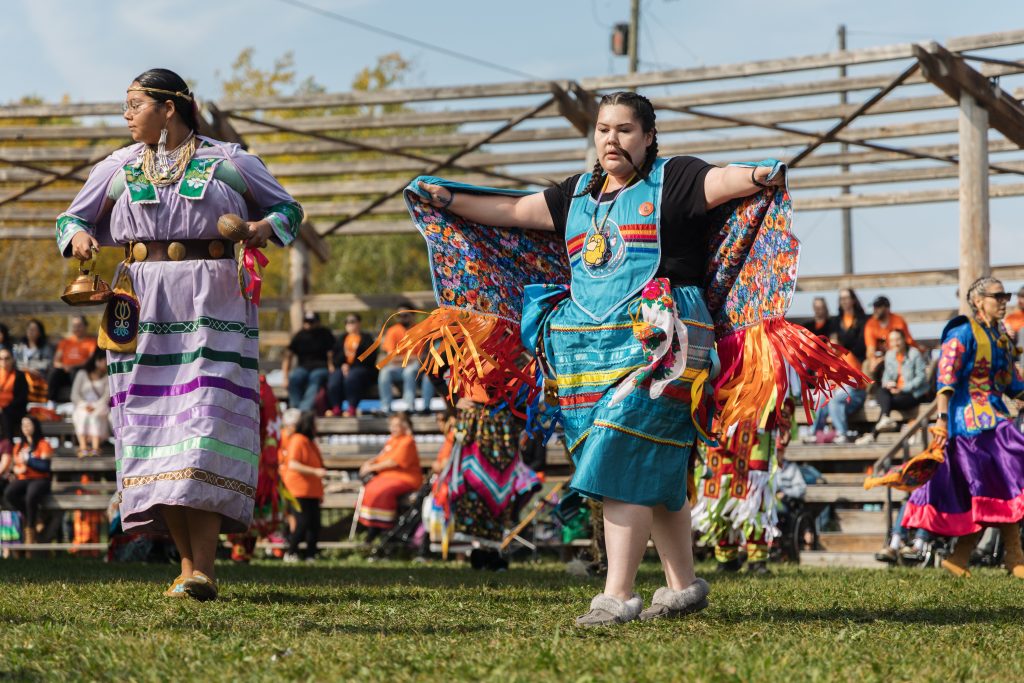
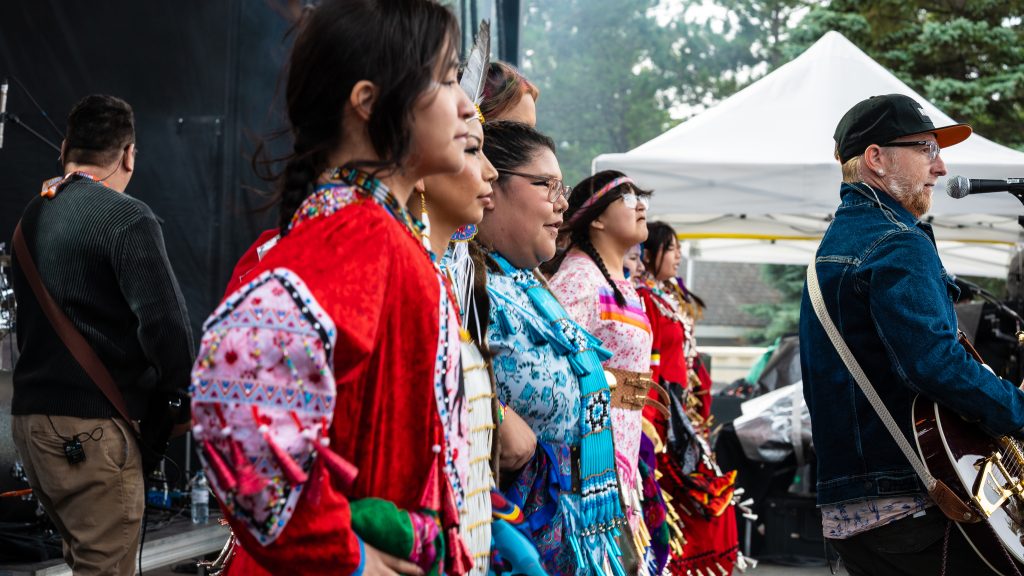
Music, dancing, art, food, community…there’s no better way to enrich your understanding of the range of Indigenous culture than by taking part in events and experiences. First Nations host a number of powwows in and near the city throughout the year, such as the large and popular Fort William First Nation powwow, often on National Indigenous Peoples Day on June 21 at the powwow grounds on Anemki Wajiw, or the Family Day powwow at Lakehead University in February. Check the socials for Thunder Bay Indigenous Relations to see what’s happening when. National Indigenous Peoples Day events tend to alternate years between the Marina Park waterfront and Fort William First Nation, so visit the event’s Facebook page for current info.
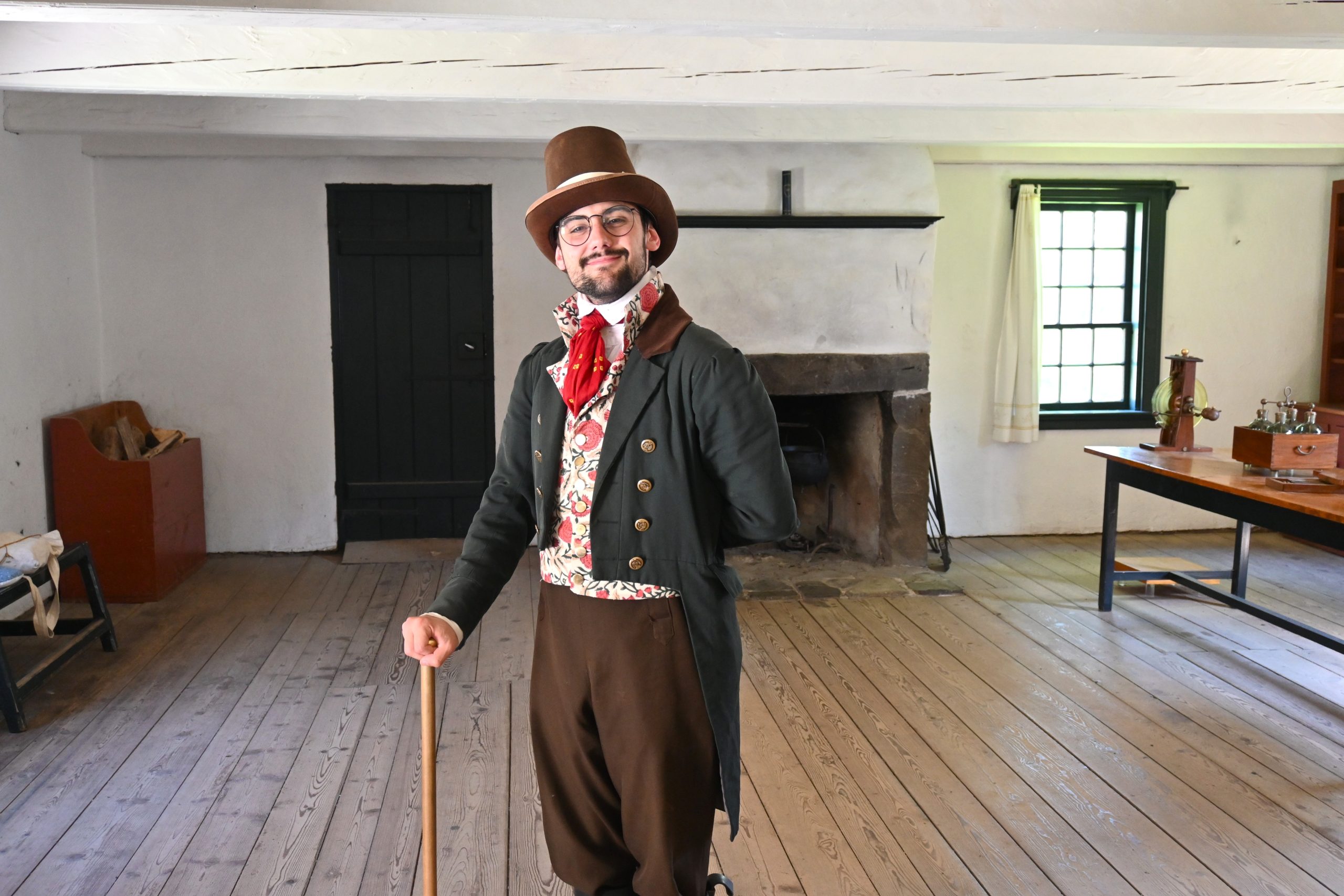
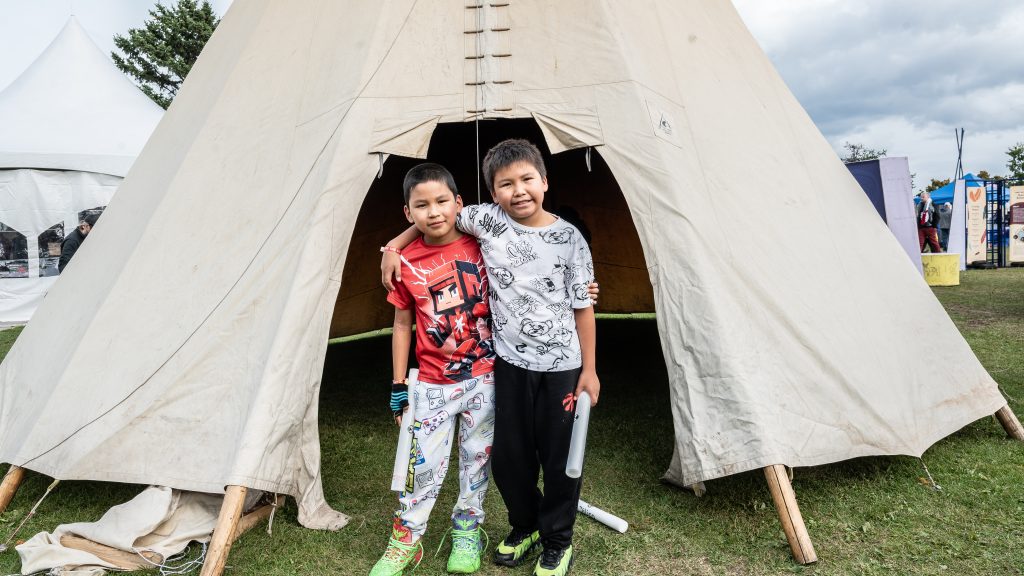
Every July, Fort William Historical Park hosts The Great Rendezvous, a historical reenactment of a 1800s annual summer meetup at the fort between hundreds of French and Metis voyageurs, Indigenous peoples and Scottish businessmen, all in character and all in costume! And in August, there’s a free weekend celebration of First Nations culture, language, traditions and technology called Anishnaabe Keeshigun at the fort, which includes a community feast and powwow.
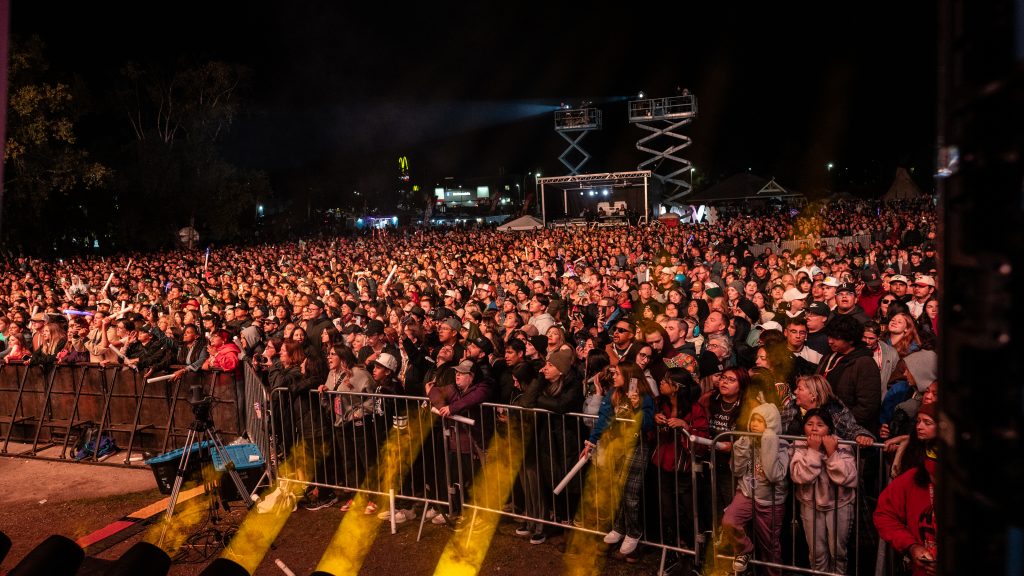
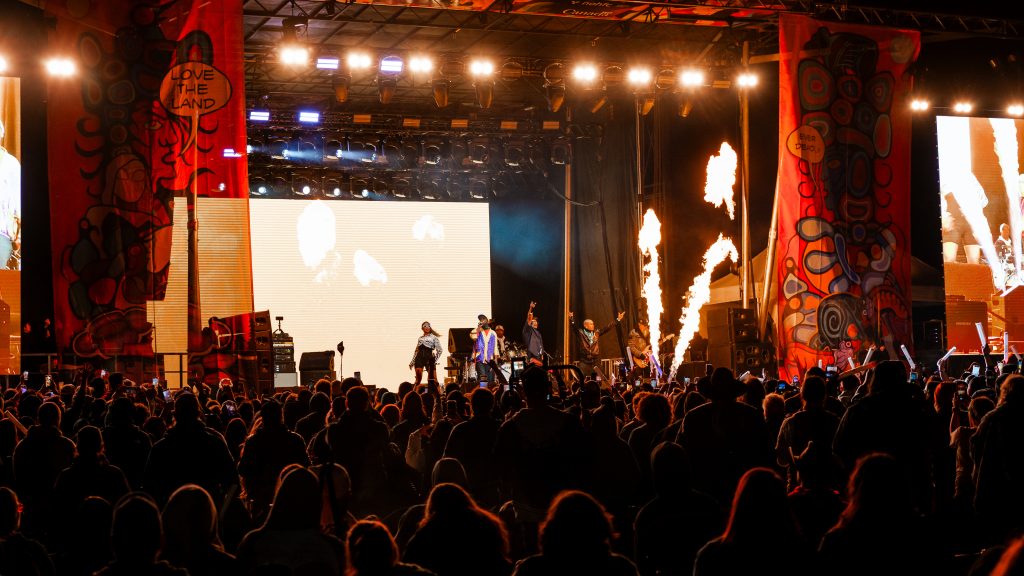
A September must-do is the massively popular Wake the Giant music festival. Held on the waterfront, it’s part of a cultural awareness movement to create a more welcoming, inclusive city for Indigenous folks. Gear up for a full (very full!) day of live music, cultural info and good vibes. The 2026 headliners are Flo Rida, The Wallflowers, Tia Wood, The Plain White T’s and more. Rock on!
There are several Indigenous-owned operators offering immersive land-based experiences for groups. At Wild Rice Experience, get hands-on experience harvesting and processing manoomin or wild rice, an important traditional food. Niibing Tribal Tours, on the shores of Lake Superior just south of the city, gives you the chance to make a sweetgrass braid, participate in a smudging ceremony, tour local sites with a guided Indigenous perspective and more, while another lakeside location, School of Indigenous Learning shares traditional teachings, skills and knowledge.
3. Deepen Your Understanding in Cultural Spaces
A visit the Thunder Bay Museum is a meaningful way to get as sense of the many generations of Indigenous communities that have called the Thunder Bay area home. Kick things off with a look at the entrance pillars, which are beautifully painted by local Indigenous and non-Indigenous artists to decolonize the building’s façade. The main floor showcases intricate beadwork, carefully worked stone and copper tools and trade goods, a birchbark wigwam and even a sacred medicine scroll.
Tour Fort William Historical Park to spark your imagination about life in a nineteenth-century fur trading fort, including costumed interpreters and an Anishinaabe encampment. The fort also offers programs through an Indigenous lens, such as Indigenous Night Sky Storytelling at the fort’s astronomical observatory.
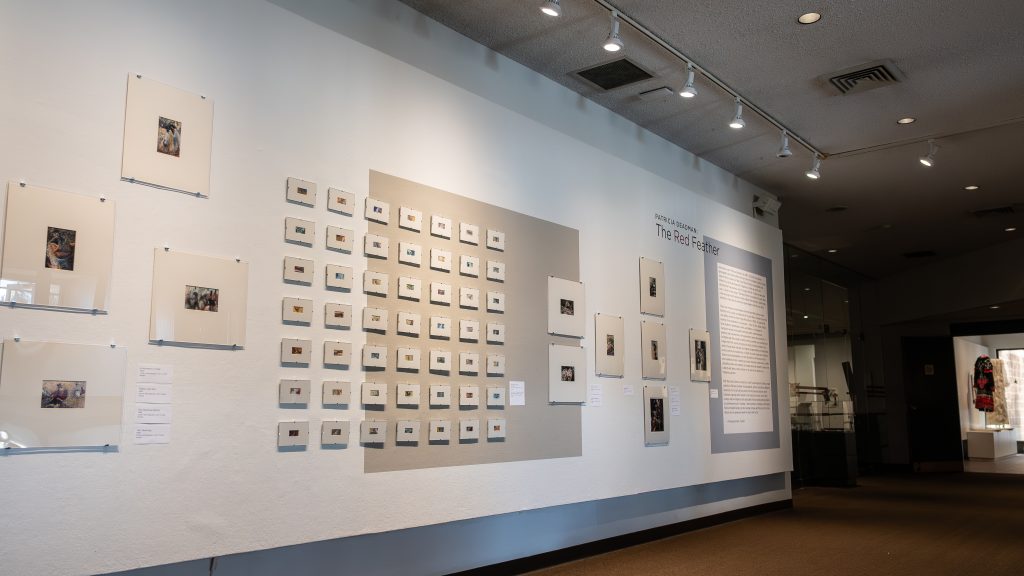
Renowned for its collection of contemporary Indigenous art the Thunder Bay Art Gallery frequently showcases art by established and emerging Indigenous and Métis artists—everyone from Norval Morrisseau and Sam Ash to Benjamin Chee Chee and Christi Belcourt. Plan a trip to the Ahnisnabae Art Gallery and Wolf Tracks Gallery to see even more contemporary Indigenous art (and shop to start your own collection!)
Thunder Bay’s public art represents Indigenous artists too, through murals, many of the waterfront installations at Prince Arthur’s landing (take a self-guided walking tour!), and even a art-wrapped city bus called the Maamawe Art Bus. Be sure to stop by the Spirit Garden at Prince Arthur’s Landing—this graceful, award-winning outdoor structure is a space to honour and celebrate the history and culture of Indigenous peoples in the city, while the nearby Honouring Circle is a place of contemplation and ceremony.
4. Shop and Support Indigenous-Owned Businesses
There are all kinds of Indigenous-owned or Métis-owned businesses in Thunder Bay. Stay at the cool The Haven Hostel right downtown, check out the nearby Cinema 5 Skatepark for a sesh, or take a stained glass class at Wazison Arts. Crossroad Music on Fort William First Nation is your source for musical instruments and gear as well as free summer concerts.
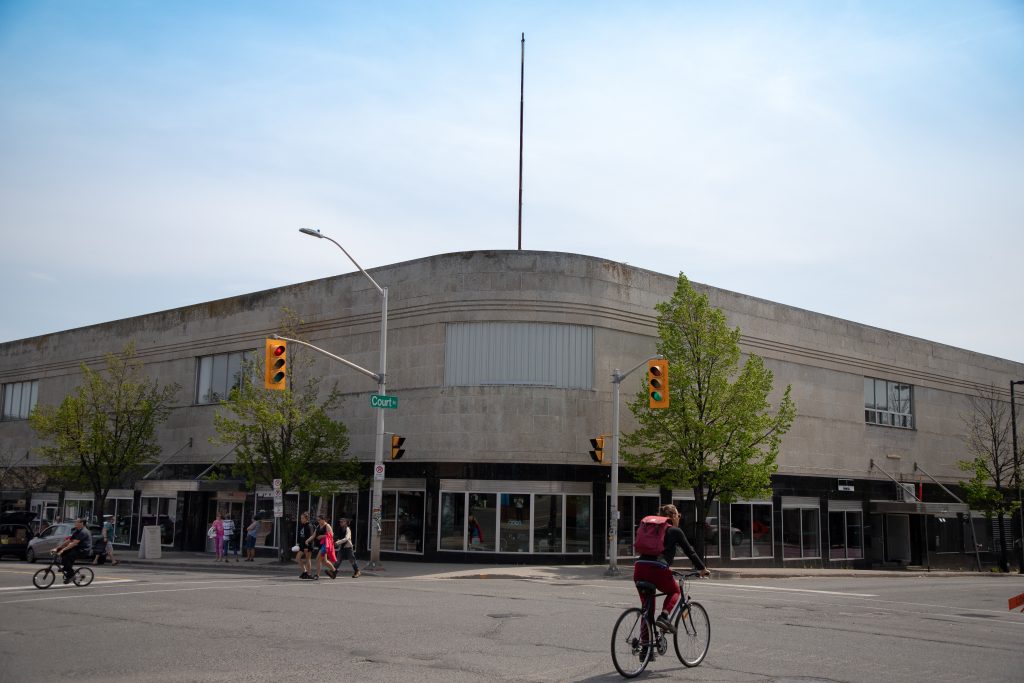
The city is also lucky to be home to dozens of Indigenous and Métis artisans. Stop by the hip Euro-style market Goods & Co. in the waterfront district to find birchbark jewelry and art by Cree Stevens, striking art and accessories by Mamakeesick Roots (don’t miss the super-creative sports gear) and Three Seeds, a plant and garden shop (soon to be growing fresh produce on site via of aeroponic growing towers). At the Thunder Bay Country Market, Métis Sash Gallery carries Métis art and sashes. Hit the gift shops at Thunder Bay Museum and Thunder Bay Gallery too, plus Ingaged Creative Marketplace is another convenient spot for one-stop online shopping.
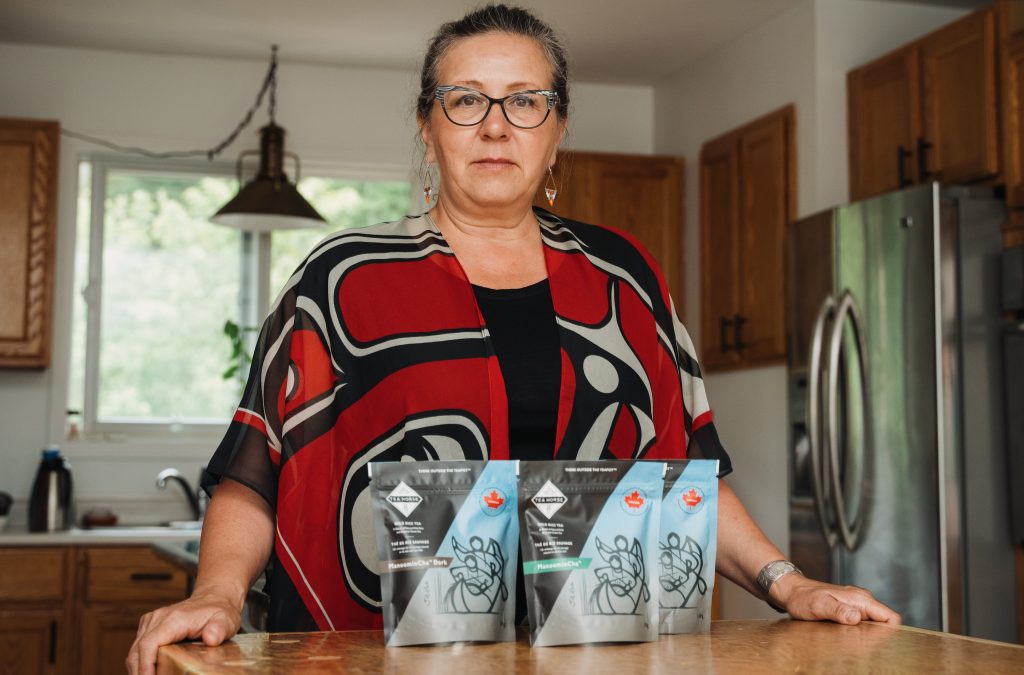
Thunder Bay and Fort William First Nation are also lucky to be home to dozens of Indigenous and Métis artisans. Give them a follow to stay up to date on current gallery shows, products and services and where you can find them:
This is just a partial list!
For dining, there’s Cottage Time Public House (serving up fare like bannock and jam or bison burgers), the Bannock Lady food truck at various local events (famous for her homemade bannock) or a quick bite at Confederation College’s coffee shop Baabaashi Gibichii which offers Indigenous-owned fair trade coffee. Sweet Resilience is an Indigenous-owned bakery and cafe on the Fort William side of town as well as the Thunder Bay Country Market. Check out their yummy hand-crafted baked goods plus bannock, soups and sandwiches made with local ingredients.
Charming and cool, local indie bookstore Entershine Books has a nice selection of books by Indigenous authors too.
Vibrant and varied Indigenous culture is woven into TBay’s past, present and future. We hope you enjoy exploring all the cool, fun and interesting options that celebrate Indigenous residents!