
Are you in your real estate era? In Thunder Bay, Millennial and Gen-Z first-time homebuyers find that buying that first place can be challenging but also definitely doable. According to the Canadian Real Estate Association, as of December 2025, the average home price in TBay was $362K, compared to $840K in Durham Region (east of Toronto) and $1.2M in York Region (north of Toronto). It’s simply more accessible for buyers to get on the property ladder in smaller Ontario cities like Thunder Bay. Add in quality-of-life considerations like commute time, access to recreation and the naturally beautiful outdoor scene, and nights out without the sticker shock of big-city prices, it’s not surprising that younger TBayers are making the move to home ownership. Let’s take a deeper dive into the situation.
Thunder Bay vs GTA: What you get in a first house
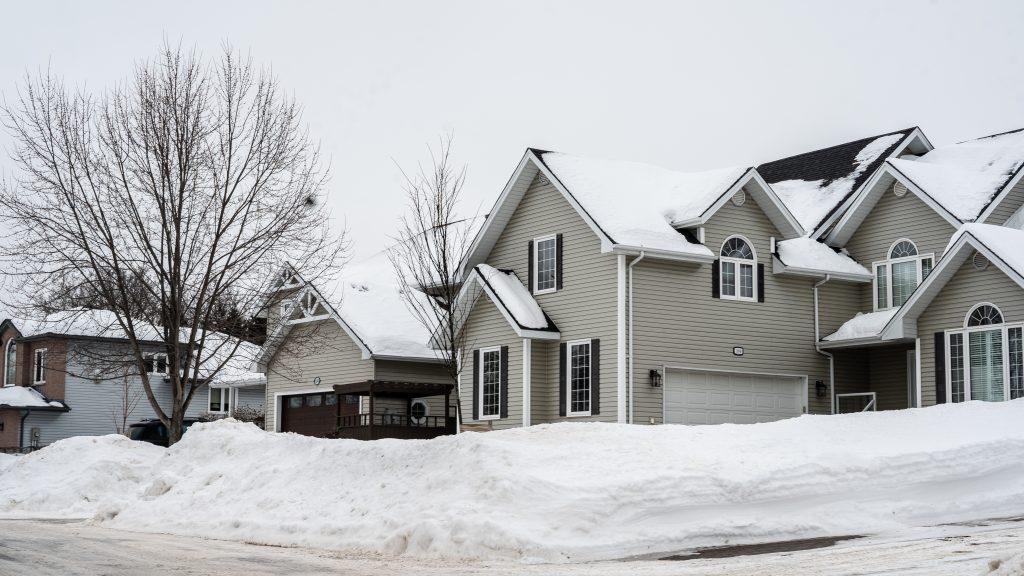
It’s obviously important to compare apples to apples when you’re considering homes in different locations. For example, in Thunder Bay, a 1100-square-foot brick-and-stucco bungalow with a unfinished but full basement, a large deck and ample driveway parking on a 55-foot lot frontage in the quiet and family-friendly Grandview neighbourhood in the city’s north end rings in at $389,000. That also includes a newer eat-in kitchen and spacious living room. In a comparable neighbourhood in Toronto (Rexdale in Etobicoke), the same size brick bungalow with three bedrooms, one bath and two parking spaces on a smaller 40-foot lot is $859,000. Makes you think!
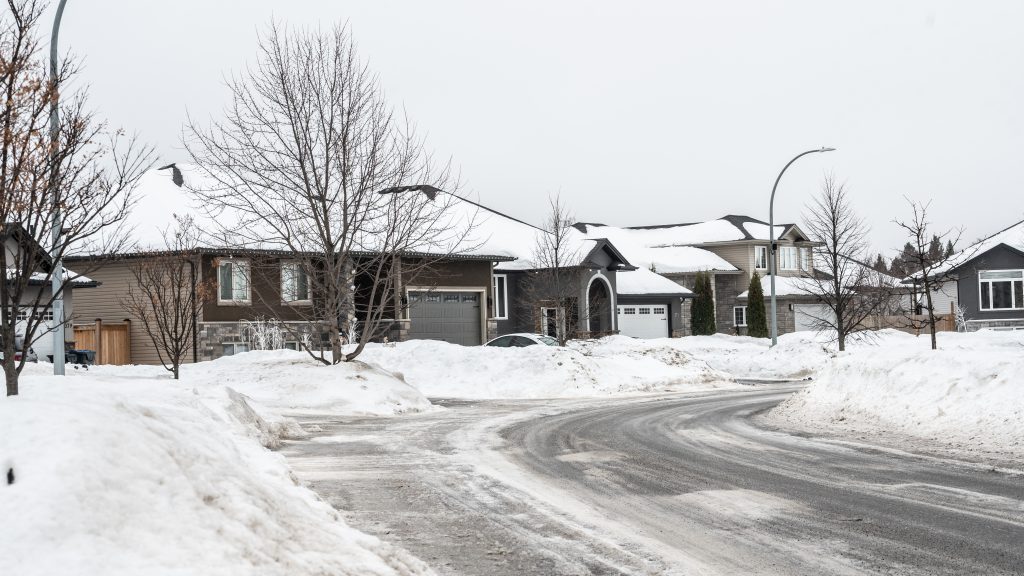
For new homebuyer Erin, buying solo in her hometown of Thunder Bay before she turned 30 just made sense, rather than spending her money on rent. Recently she bought her home, which filled her must-haves of two bedrooms and off-road parking, and her nice-to-haves of a dining room, larger kitchen and tub/shower combo. It was also move-in ready, a priority for her. “Having a commute to my workplace or downtown being around or under 15 minutes was the biggest factor for me,” says Erin, who is a payroll analyst. “I also enjoy the walking paths that are nearby.” Erin cautions it’s important not to sugarcoat the realities of landing that first home—Thunder Bay is a competitive market, just like so many other cities in Ontario. “The biggest challenge, in my opinion, was getting outbid,” she says. “The amount of offers to compete with was also difficult; sometimes there would be 17 other people bidding on the same house.”

Another young home buyer, Kayla made the move back to Thunder Bay in the midst of COVID, after spending six years away for school and her early career. “I had been renting my entire adult life and knew purchasing my own property was a worthwhile investment,” she says. Kayla, an event planner, also purchased her first home solo before she turned 30. She says it was a challenge to find a home that she could fix up and add her own special touches to (as opposed to a flipped property), but after viewing 30 houses she found the right spot at the right price, complete with a good yard and an appealing neighbourhood close to her family. “I always knew that I wanted to plant my roots in this beautiful city.”
We’re going to be honest. If you’re looking to buy in Thunder Bay, be prepared to roll up your sleeves and compete…this market moves fast and it can take real persistence. But if you stick with it, the long-term savings and opportunity here make the effort more than worth it.

Leisure time: The cost of dining out & entertainment
In addition to more affordable housing, a lot of the time your dollar simply goes farther in Thunder Bay. Looking for a nice night out? An upscale meal for two at Bight, a casual-chic waterfront restaurant in Thunder Bay, is under $150 including tip, with elevated entrees ($36 for chicken, $26 for a burger with sides) and cocktails around $15. For a very similar chicken and burger meals at a comparable Toronto waterfront restaurant, you’re looking at $62 for the chicken, $37 for the burger, and cocktails for $25 and up.
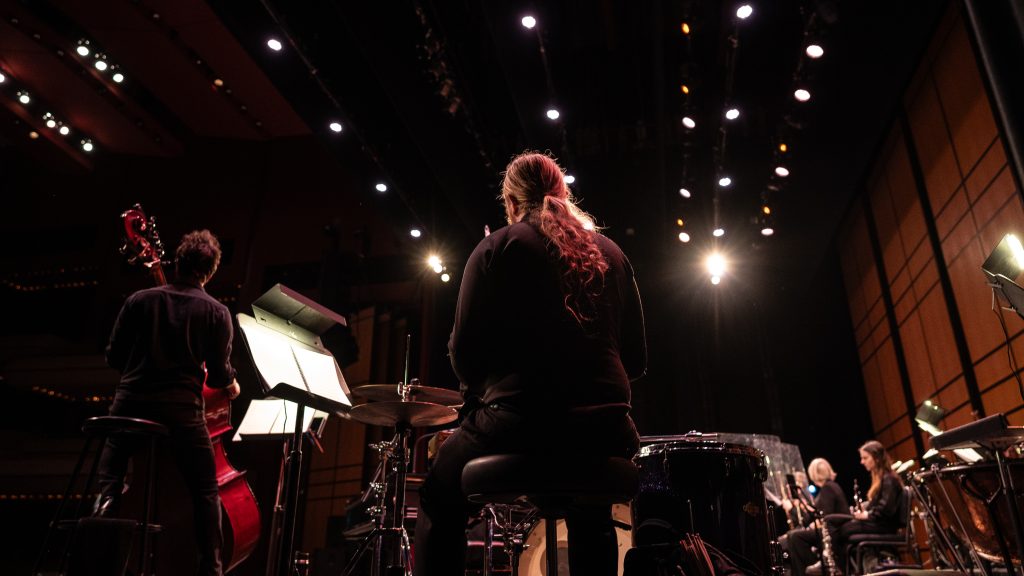
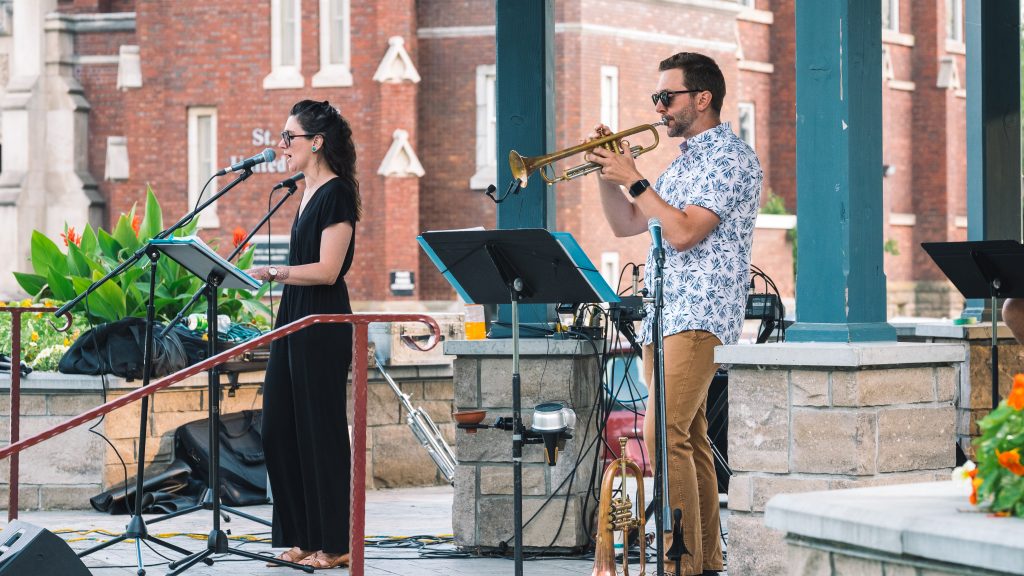
Or, let’s say you want to go to the symphony for your date night or GNO. Again, let’s compare apples and apples. In Thunder Bay, you can check out a candlelit symphony performance of movie music, which includes an alcoholic beverage and sizable charcuterie snack cup, for $75 per ticket. In Toronto, that symphony ticket to hear the Star Wars soundtrack goes for more than $100 (and upwards of $187 for premium seats), no munchies included. Is an indie play more to your liking? At Thunder Bay’s Magnus Theatre you can catch the world premiere of a comedy-thriller by an acclaimed Indigenous author and playwright for $43. In contrast, a Soulpepper performance with a similar vibe will set you back $57 to $78 (and that’s only if you plan early enough to get the discounted seats).
Getting around: Transportation in TBay
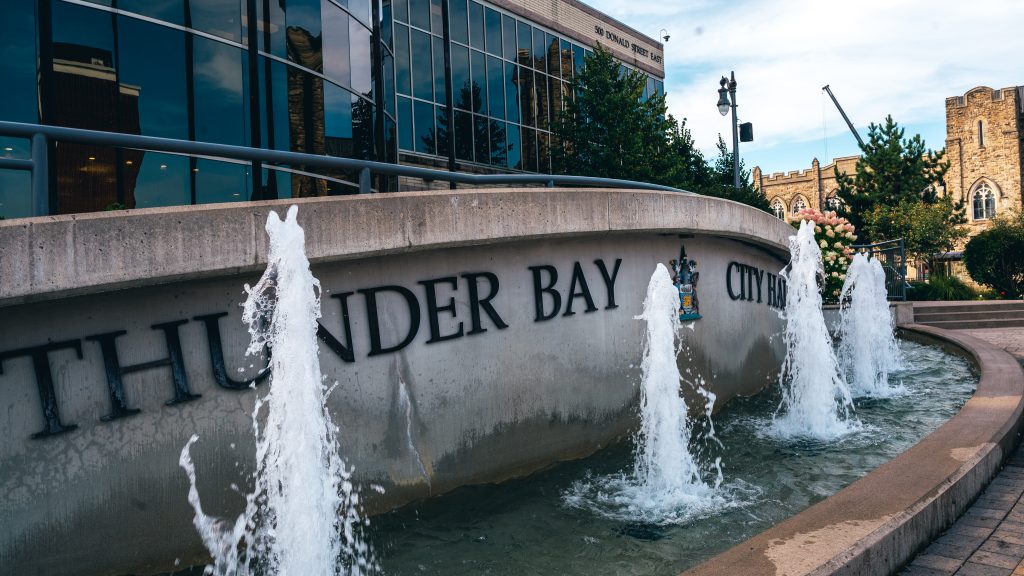
Thunder Bay is a car-friendly city, and most destinations are about 15-minute drive or less, with a really big drive from one end of town to the other lasting about 30 minutes at most (say, if you live in the Current River neighbourhood but your kids have a game at the at the very opposite end of the city). TBayers are also very passionate about not paying much for parking! Metred parking is free for two hours in most areas and $2 per hour after that, and many large venues, like the Thunder Bay Community Auditorium, Intercity Shopping Centre and the Thunder Bay Country Market have large free lots. Gas prices are regularly among the lowest in Ontario.
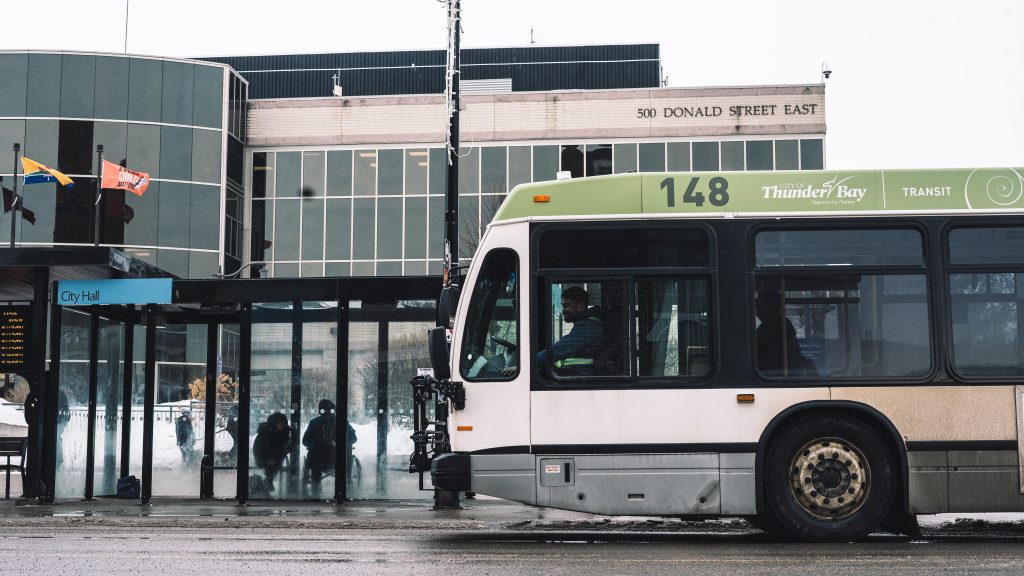
While our public transit is not, of course, as frequent or extensive as the TTC, you can travel around the city on the bus system with a $29.05 10-ride pass, $3.25 single pass or an unlimited $90 monthly pass (comparable to Toronto’s $3.30 single pass and cheaper than T.O.’s $156 monthly pass, just saying). TBayers can also get around on foot or by bike on the city’s network of trails.
Don’t sleep on peace of mind and quality of life
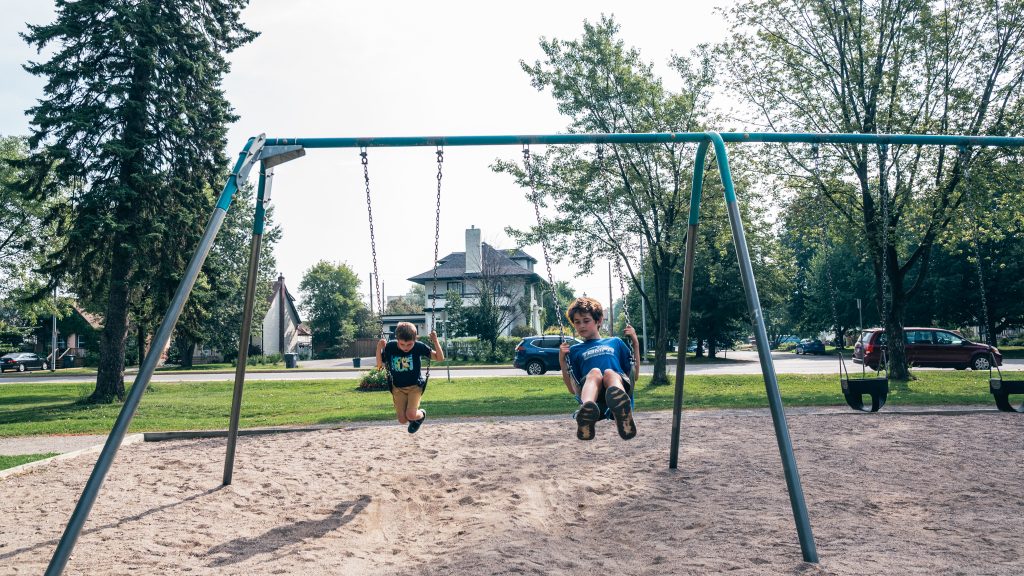
Of course, an accessibly-priced house isn’t such a win if you don’t have the quality of life and affordable lifestyle to go with it. Fortunately, Thunder Bay has lots of pluses when it comes to soft metrics like access to beautiful natural settings, short commute times and culture and recreation opportunities. Emily Juurakko, who works full-time in management for a national organization, also runs a budgeting business called @morethansaving, helping people learn to manage their money in a way that’s the most intentional for them to have the best quality of life. Emily says choosing to live in Thunder Bay with her husband and young family helps them to do just that.
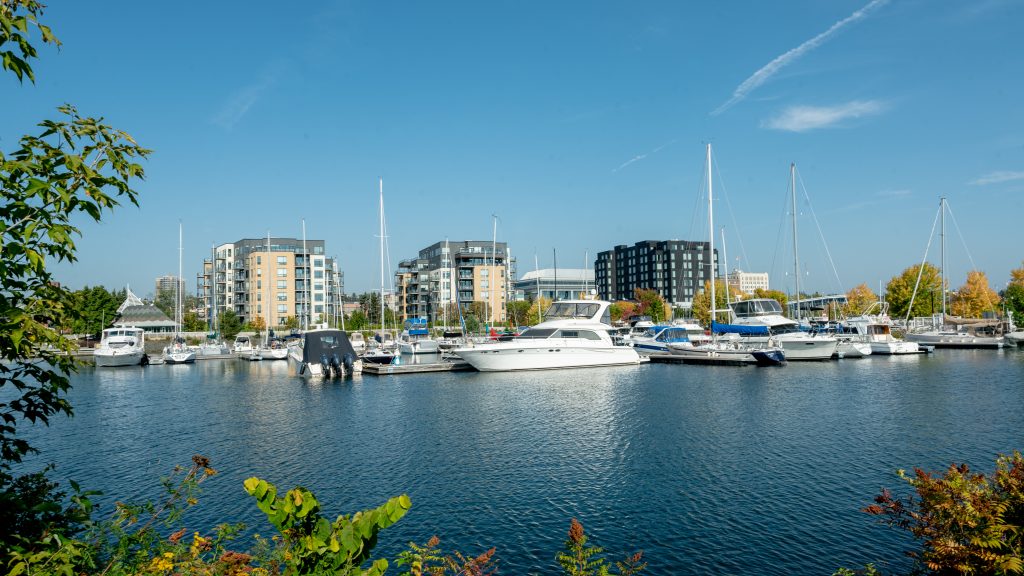
“In areas where the cost of living is higher, you’re usually sacrificing something for something else,” she explains. “I don’t find that I have to make as many sacrifices…I can still afford a beautiful home that functions well for my family, that’s in a location that we love, and it gives us access to the schools that we want for our children, and [is] close to grocery stores, close to the hospital, close to that kind of ease.” Those savings show up in other ways too. “I can afford [vacations] more easily because I’m not paying top dollar for a house or for experiences here. Some of the hobbies that I have, I get to do for free. I can go for a hike here, and I don’t have to pay a fortune in gas or in time. I just think in general, recreational activities in Thunder Bay are accessible and affordable,” she says, pointing out that she’s more likely to go curling or golfing since the venues aren’t far away. “There’s a lot of little things and little experiences like that that I don’t take for granted.”
Considering Thunder Bay for a place to grow? Check us out! If you want to spend less time working to live and more time living, come to the hub of northwestern Ontario.